
Integration infrastructure to scale your product integrations

Build, launch and manage
integrations at scale
Our integration platform is built to handle the scale and complexity of any integration, including high-volume spikes in traffic.
Get the full flexibilty of in-house built integrations
Retain full control over your integration code and create customized integations, while still getting the benefits of scalable and reusable integration infrastructure.

Create a first-class integration experience
Product leaders. Say yes to more integration requests, ship integrations customers love, grow revenue with the right integrations, and reduce the cost of delivering them.
Engineers. Get full code-level control over every integration while offloading auth, maintenance, and DevOps, all using your existing workflows, repos, and preferred languages.
Partnership leaders. Build a scalable tech partnerships program, launch new integrations in days, make it simple for partners to submit apps and assets, and clearly attribute revenue with install and usage analytics.






How It Works
Build integrations your users care about. We’ll handle the plumbing.
Pandium gives you integration infrastructure, ai-code
generation, authentication, hosting, monitoring, embeddable
marketplaces and setup UIs - so you can ship reliable,
scalable integrations in days. Create a first-class ecosystem
experience inside your product without the infrastructure
headaches.
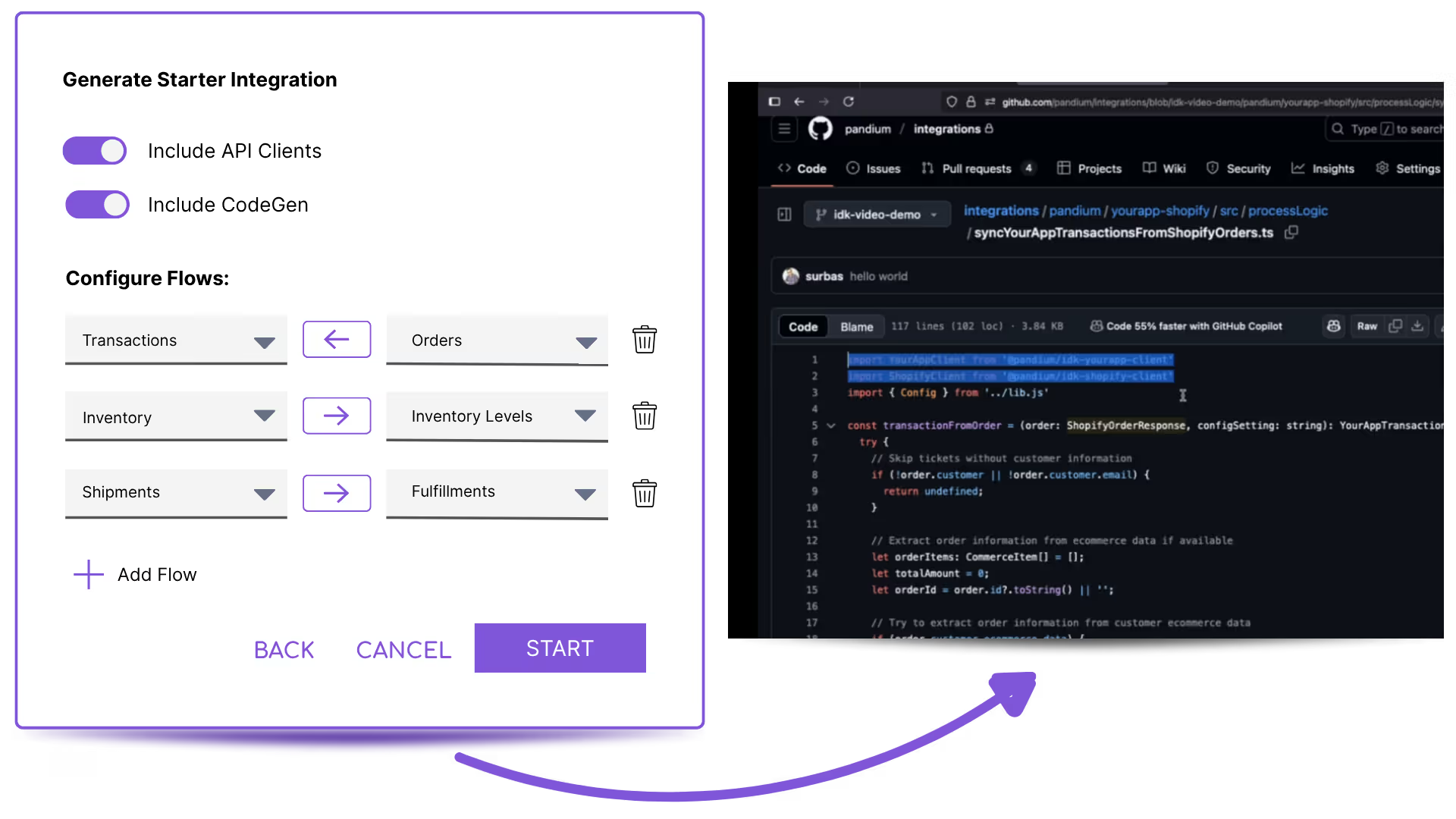
Combine AI-generated code with robust infrastructure
Whether you use your own code generator or Pandium’s
integration code generator, our integration infrastructure
makes it easy to use AI to build integrations that run reliably
in production and scale with your customers.
No learning curve for devs
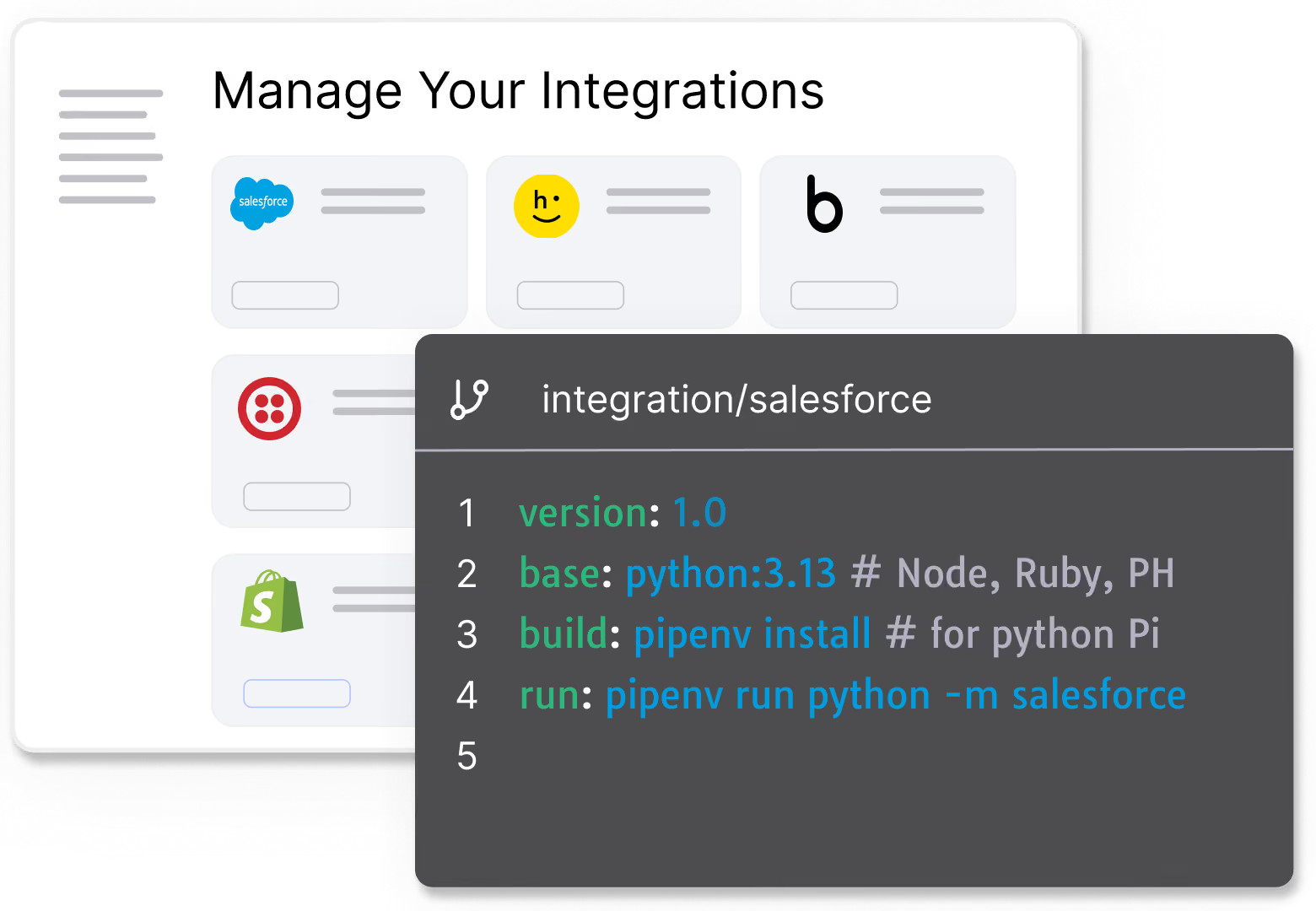
Create integration code in any language, integrate with your
git repository, test as you normally would. Pandium works
seamlessly with existing engineering practices to ensure
robust and reliable integration builds. Maintain full control
over your integrations while offloading infrastructure and
DevOps complexity.
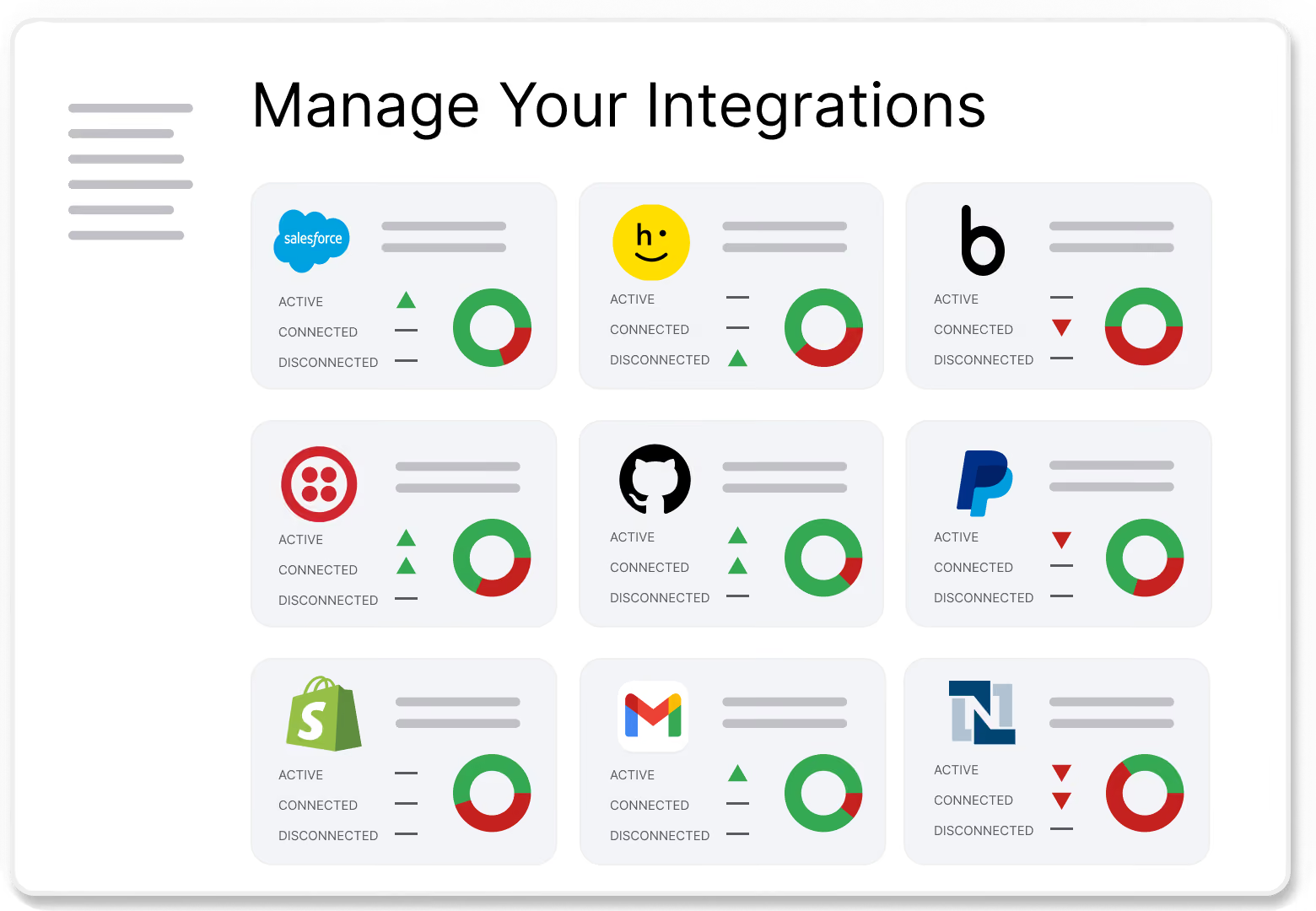
Let customers discover, install and manage integrations
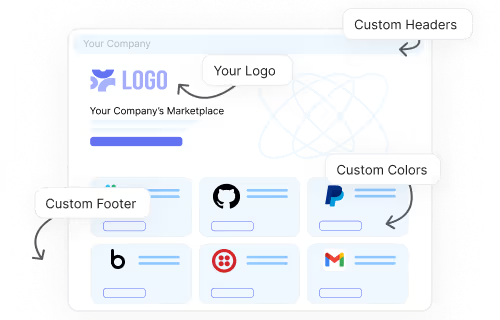
Embed a marketplace in your app so that customers can
easily install and manage their integrations. Get metrics
and reporting on which integrations your customers are
using and share results with technology partners.
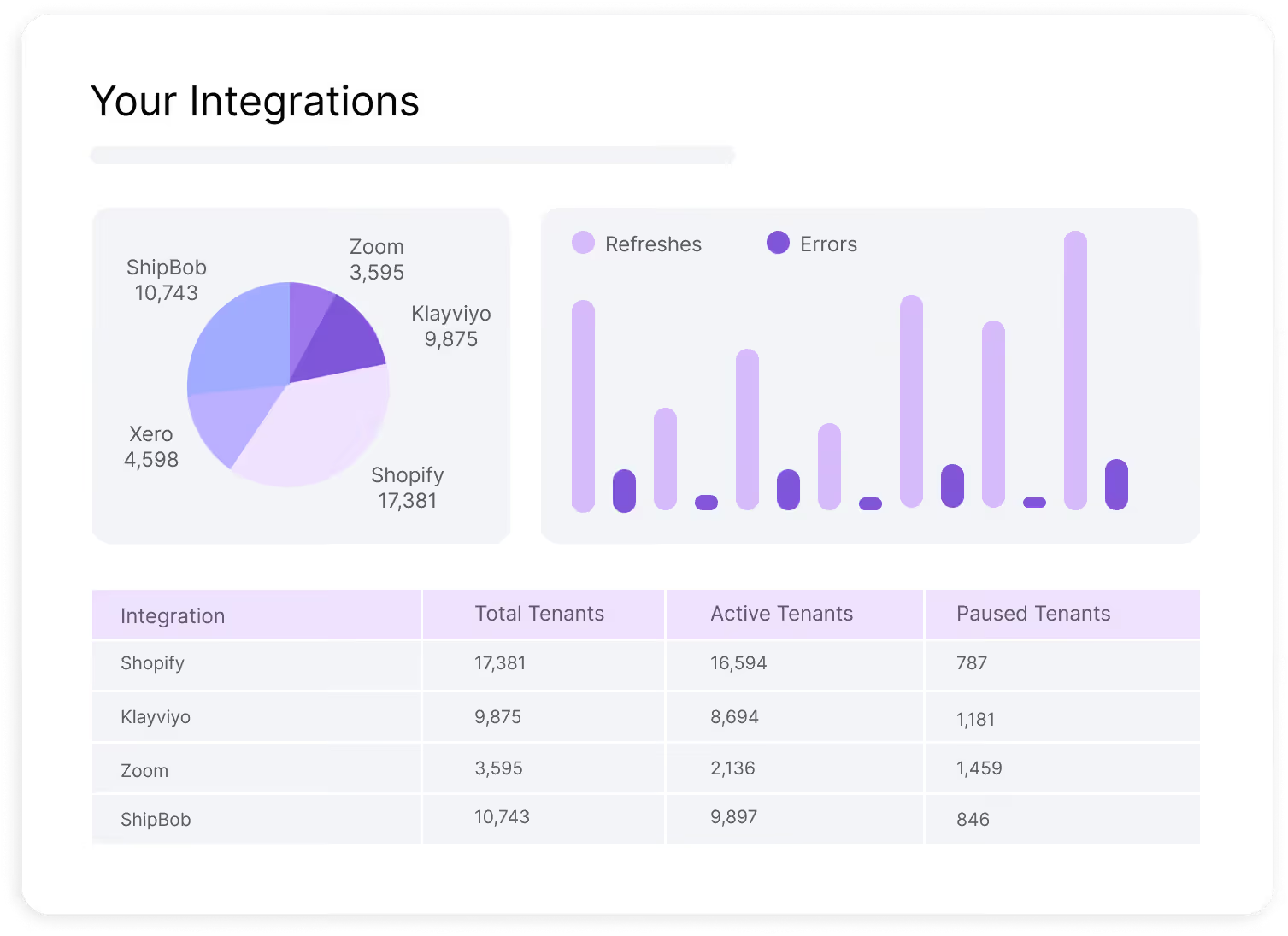
Dive into integration analytics to measure impact
See which integrations customers install, use, and depend on so your team can prioritize roadmap decisions, improve partner strategy, troubleshoot issues, and prove the impact of your integration program.
Trusted by product, engineering and partner teams at leading B2B SaaS companies








week, per developer

Leading Partner Program with Pandium